
Types of Injection Molds
Injection molding is one of the most widely used methods for producing plastic parts, offering high quality, dimensional accuracy, and tight tolerances at a cost-effective rate. There are various types of molds used in injection molding, all of which rely on molding machines, molten plastic polymers, and precisely tooled cavities shaped to match the intended part design. Abtec Inc. is recognized globally for producing high-quality plastic components using advanced injection molding techniques.
The categorization of injection molds is divided into three basic types, which are the mold feed systems, number of parts produced per cycle, and the number of mold cavities. All forms of injection molds have basic components for the shaping and forming of Abtec’s high quality plastic parts. Runners, guide pins, mold cavities, shots, clamping plates, and ejector pins are basic components of all forms of injection molding. How Abtec injection molds are implemented vary in accordance with the design of plastic parts.
Overview of Injection Mold Classifications
Injection molds are categorized based on three key factors: feed system type, number of parts produced per cycle, and mold cavity configuration. Each classification impacts production efficiency, tooling cost, and part quality. At Abtec Inc., we tailor mold designs to match your specific application, whether you’re producing high-volume identical parts or complex multi-component assemblies.
Full Chase Tools
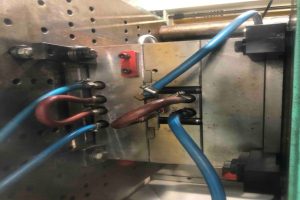
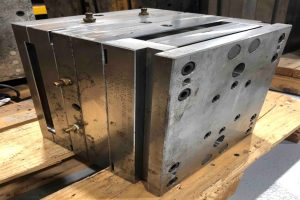
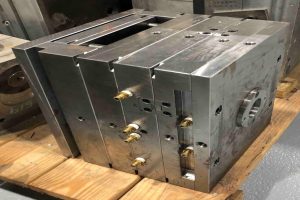
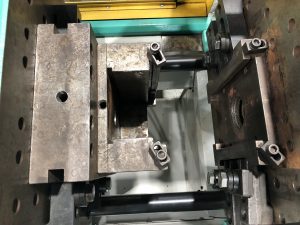
Full Chase Tools are a type of injection mold that is designed for high-volume production. They consist of a mold base and a set of interchangeable inserts, allowing Abtec, Inc. to produce multiple parts with the same tooling. This makes them a cost-effective option for large-scale manufacturing as it reduces tooling costs and minimizes downtime during production.
Master Unit Die
The Master Unit Die (MUD) is another popular type of injection mold that is designed for small to medium-sized production runs. It consists of a unit die that houses multiple cavities, allowing manufacturers to produce multiple parts simultaneously. This type of mold is particularly useful for producing complex parts, as it can accommodate a variety of geometries and sizes.
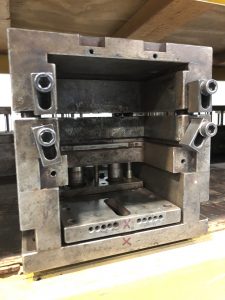
Advantages of Master Unit Die
- Efficient production: MUDs allow for the simultaneous production of multiple parts, reducing cycle time and increasing overall efficiency.
- Versatility: Master Unit Dies can accommodate a wide range of part geometries and sizes, making them suitable for a variety of applications.
- Reduced tooling costs: MUDs are a cost-effective solution for small to medium production runs, as they require less tooling investment compared to other types of injection molds.
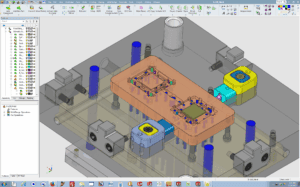
Plastic Injection Mold Design
A crucial aspect of the injection molding process is the design of the mold itself. The plastic injection mold design plays a significant role in determining the quality and functionality of the final molded part. Factors to consider during the design process include the type of plastic material, the desired part geometry, and the requirements of the production process.
Hot Runner Systems
One important consideration in plastic injection mold design is the use of hot runner systems. These systems consist of heated channels that guide the molten plastic from the injection unit to the cavities within the mold. Hot runner systems offer several advantages, including reduced cycle time, improved part quality, and reduced waste.
Modular Unit Die
Another option for injection mold design is the Modular Unit Die (MUD), which is similar to the Master Unit Die but offers greater flexibility in terms of mold configuration. Modular Unit Dies consist of interchangeable components and quick change, to reduce set-up and run times. Making this system an ideal choice for versatility in the production process.
Feed Systems
The feed or runner system is the set of channels that directs the molten plastic into the mold cavity. The types of feed systems are differentiated in regard to the temperature of the runners, which can vary from hot to cold and include insulated runners.
Hot Feed Systems
The runners for hot feed systems are heated and able to deliver molten plastic to multiple mold cavities. The heating of the system keeps the plastic molten from when it leaves the molding machine nozzle until it enters the mold cavity. Hot feed systems from Abtec are able to deliver molten plastic directly into the mold cavity without the use of sprues.
Hot feed systems produce plastic parts without imperfections, a factor that significantly reduces waste. They are widely used for high volume production with molds that have multiple cavities or full chase tools. The advantages of hot feed systems from Abtec are increased efficiency, excellent part quality, greater design flexibility, and lower energy costs.
Cold Feed Systems
Cold runner feed systems have unheated cold channels through which the molten plastic is injected into the mold cavity. Molds for cold feed systems have two or three plates. Runners for cold feed systems remain attached when a part is ejected. Three plate cold runner systems have a stripper plate that removes runners at part ejection. Although cold feed systems can accommodate a variety of thermoplastics and allow for other positive features, they produce a great deal of waste and parts with lower tolerances.
Insulated Feed Systems
Insulated feed systems are a combination of cold and hot feed systems. They have runners that are similar to cold feed systems but apply heat to the runners using various heating methods. The heaters for insulated systems form insulated culls that create the effects of hot feed systems. As with heated runner systems, the heat from insulated systems helps molten plastic maintain its temperature as it enters the mold cavity.
Mold Design
Mold design determines the number of molded parts created. The three types of mold designs are single, multiple, and family. The development of molds for injection molding is a crucial part of the manufacturing process. At Abtec, our team of designers works with our clients to develop molds that perfectly fit a customer’s requirements. The properly tooled molds from Abtec produce accurate shapes and form plastic high tolerance parts with exceptional precision.

Single Cavity Molds
Single cavity molds produce one part per injection cycle. They are the slowest of the mold designs but are affordable to produce and are a perfect option for short production runs.
The simplicity of single cavity molds allows for greater control of the injection molding process. In some cases, single cavity molds are used in groups in order to keep production rolling even when one of the molds fails.

Multiple Cavity Molds
Multiple cavity molds are among the most commonly utilized injection molding tools at Abtec, engineered to produce multiple identical components or multiple parts of a set within a single molding cycle. Optimized for high-volume manufacturing, these molds are favored for their ability to enhance production efficiency and significantly reduce per-unit costs compared to single cavity configurations.
Family Molds
Family molds are like multiple cavity molds in that they have multiple mold cavities. What differentiates family molds from multiple cavity molds is their ability to produce several different parts in one cycle instead of the same parts. The tooling of family molds is expensive due to the creation of several dissimilar cavities in a single mold. Regardless of this drawback, family molds reduce production and operating costs as will as save time in regard to product assembly and production.
Mold Plate Type
A third factor that is used to classify injection molds is plate types, which include two plate, three plate, and stack mold types. The plates of an injection mold form the mold cavity. They influence the cost of the mold, the finish of mold parts, and the efficiency of the production process. Plate types vary from their simplest form, which is two plate molds, up to more complex and intricate designs, which is stacked plate molds.
Two Plate Molds
Two plate molds are the most common form of injection molds. They have low tooling costs and are single cavity molds. The design of single plate molds includes a parting line where the core and plates come together. For single plate molds to produce high quality parts, their gates, runners, and parting lines must be perfectly aligned. Two plate molds are used with any type of runner system and have low tooling costs.
Three Plate Molds
Three plate molds have a third plate referred to as the stripper plate, which removes the runner system when the cavity and core plates separate. The design makes production faster since there is no need for manual separation or recycling of the runner system. The downside of the design is increased tooling costs, which is necessary to ensure the precision of the cutting mechanism of the third plate. The use of three plate molds is for cold runner systems since hot runner systems do not require the removal of runners.
Stack Molds
Stack molds have a unique design that includes two, three, or four levels of plates for increased efficiency. In addition, the configuration of stacked molds requires less clamping. As with other multiple types of molds, stack molds have high upfront costs due to their requirement of extra tooling. The lower clamping tonnage makes up for the increased tooling costs by reducing operating costs.
Unscrewing Molds
A feature of injection molds that is necessary for the production of bottle caps, nuts, bolts, and auto parts is threaded molds. Screw or bolt types of products cannot be produced using the traditional knock off method due to their draft angle. Unscrewing molds help complete the manufacturing process by removing molded screw parts without damaging their threads.
Choosing the Right Mold Type for Your Project
Selecting the correct mold type depends on your production goals, part geometry, and material requirements. Full Chase Tools, Master Unit Dies and Modular Unit Dies offer flexibility for smaller batches, high-volume run and complex shapes. Stack molds and family molds help maximize output and reduce assembly time, especially when multiple parts are needed in one cycle.
Runner System Considerations
The runner system plays a critical role in how molten plastic flows into the mold cavity. Hot runner systems improve efficiency and reduce waste, while cold runner systems offer simplicity and compatibility with a wide range of thermoplastics. Insulated runner systems combine the benefits of both, maintaining temperature while minimizing energy use.
Mold Plate Configurations and Their Impact
Two plate molds are cost-effective and widely used for single cavity designs. Three plate molds add a stripper plate for automatic runner removal, improving cycle time. Stack molds multiply output by layering mold cavities vertically, making them ideal for high-volume production with reduced clamping force requirements.
Frequently Asked Questions (FAQ)
What Are the Main Types of Injection Molds?
Injection molds are classified by feed system (hot, cold, insulated), cavity count (single, multiple, family), and plate configuration (two plate, three plate, stack).
Which Mold Type Is Best for High-Volume Production?
Full Chase Tools and/or Master Unit Dies and multiple cavity molds are best suited for high-volume runs due to their efficiency and repeatability.
Can One Mold Produce Different Parts at the Same Time?
Yes. Family molds are designed to produce multiple different parts in a single cycle, which helps reduce assembly time and operating costs.
What Is the Difference Between Hot and Cold Runner Systems?
Hot runners keep plastic molten throughout the runner system, reducing waste and improving part quality. Cold runners cool the plastic in the channels, which can lead to more waste but offer greater material flexibility.
Do Stack Molds Require Special Equipment?
Stack molds may require specialized tooling and setup due to their multi-level design, but they reduce clamping force needs and increase output, making them cost-effective over time.
Choose Abtec, Inc. for All Your Injection Mold Design Needs
Choosing the right type of injection mold is essential for achieving efficient and cost-effective production of high-quality plastic parts. Whether you opt for Full Chase Tools, Master Unit Die, or another mold design, it’s important to consider factors such as cycle time, tooling costs, and production requirements to ensure the best possible results.
At Abtec Inc, we have extensive experience with various types of injection molds, including hot runner molds, cold runner molds, and multi-cavity molds. To learn more about our expertise and how we can help with your manufacturing needs, contact us or visit our custom plastic injection molding page for more information. For answers to frequently asked questions, check out our FAQs section.